Advantages:
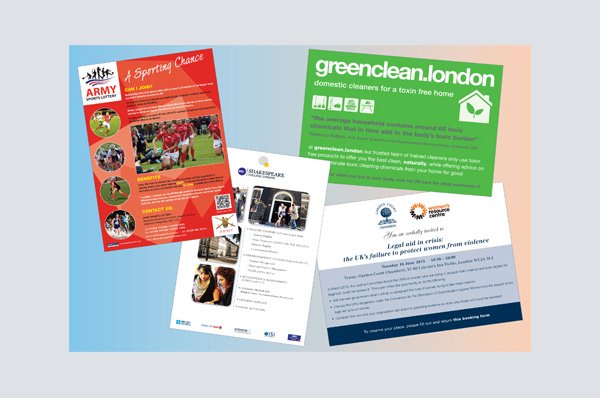
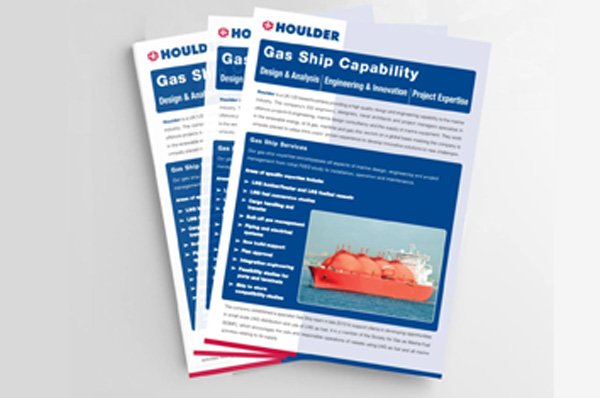
Increased Visibility: Professionally designed flyers can significantly enhance your business's visibility. They serve as an effective marketing tool to showcase your products, services, events, or promotions. Whether distributed door-to-door, handed out at events, or placed in strategic locations, flyers can reach a wide audience and attract potential customers.
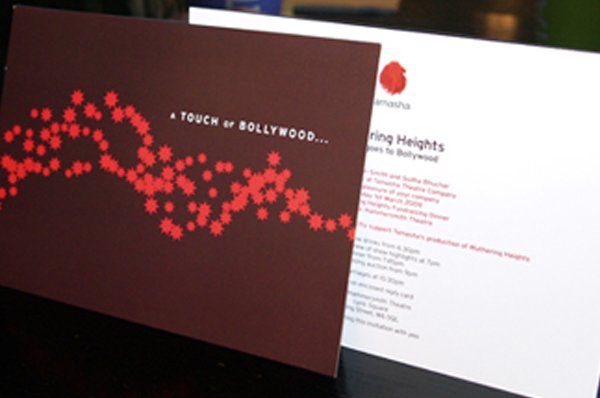
Versatility: Flyers are highly versatile and can be used across various industries and for multiple purposes. They are effective for promoting events, special offers, new product launches, or providing information about changes in the law or industry updates. Flyers can target different audiences, from local community members to business professionals.
Credibility: Research shows that offline marketing channels, such as printed flyers, are often trusted more than online channels. Flyers provide a tangible piece of marketing that can leave a lasting impression. They convey a sense of professionalism and reliability, helping to build trust with potential customers.
Cost-Effective: Compared to other forms of advertising, flyer design and distribution can be relatively cost-effective. They are particularly beneficial for small businesses or those with limited marketing budgets. When designed and distributed correctly, flyers can provide a high return on investment by driving traffic and sales.
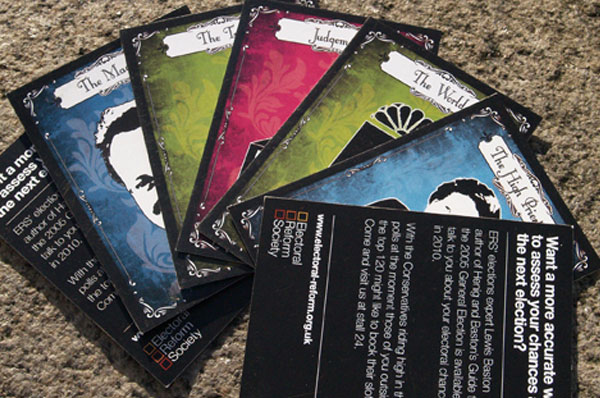
Customisation: Flyers can be customised to suit the specific needs and goals of your business. You can tailor the design, message, and distribution strategy to target your desired audience effectively. Including elements such as bold headlines, compelling images, and clear calls to action can enhance the flyer’s impact.
Disadvantages:
Distribution Challenges: Ensuring that flyers reach the right audience can be challenging. Unlike digital marketing, which can precisely target specific demographics, distributing flyers requires strategic planning. This process can be time-consuming and may not always guarantee that the flyers will reach the intended recipients.
Limited Space: Flyers have limited space for conveying information. This means that complex messages or detailed explanations may not be fully communicated. Businesses must prioritise concise and clear messaging, which can sometimes be restrictive for certain types of content.
Cost of High-Quality Materials: While flyers can be cost-effective, using high-quality materials can increase expenses. Professional businesses often prefer using higher-quality paper and printing techniques to ensure a solid and reliable feel. This can add to the overall cost of the flyer campaign.
Measuring Effectiveness: Tracking the effectiveness of flyer campaigns can be more difficult compared to digital marketing, where detailed analytics are readily available. Measuring the direct impact on sales or customer engagement requires additional effort, such as using unique discount codes, QR codes, or conducting follow-up surveys.
Conclusion:
Flyer design services offer numerous benefits, including increased visibility, versatility, and credibility. They are a cost-effective marketing tool that can be customised to meet specific business needs. However, there are also challenges, such as distribution logistics, limited space for content, potential costs for high-quality materials, and difficulties in measuring effectiveness.